Global trends shaping the future of waste to energy (WtE) and the lessons for Australia
As countries search for cleaner, more circular ways to manage waste, waste to energy is re-emerging as a practical bridge between linear landfill disposal and a fully circular economy. Around the world, governments and investors are scaling up facilities that convert residual waste into power, fuel and heat. Australia is only just entering that space, while other regions are decades ahead. Global Market Insights estimates the global waste to energy market was worth about USD 42 billion in 2024 and will approach USD 79 billion by 2034, driven by rising waste volumes and tighter landfill restrictions.
These are the global trends defining how WtE is evolving, and what they mean for Australia.
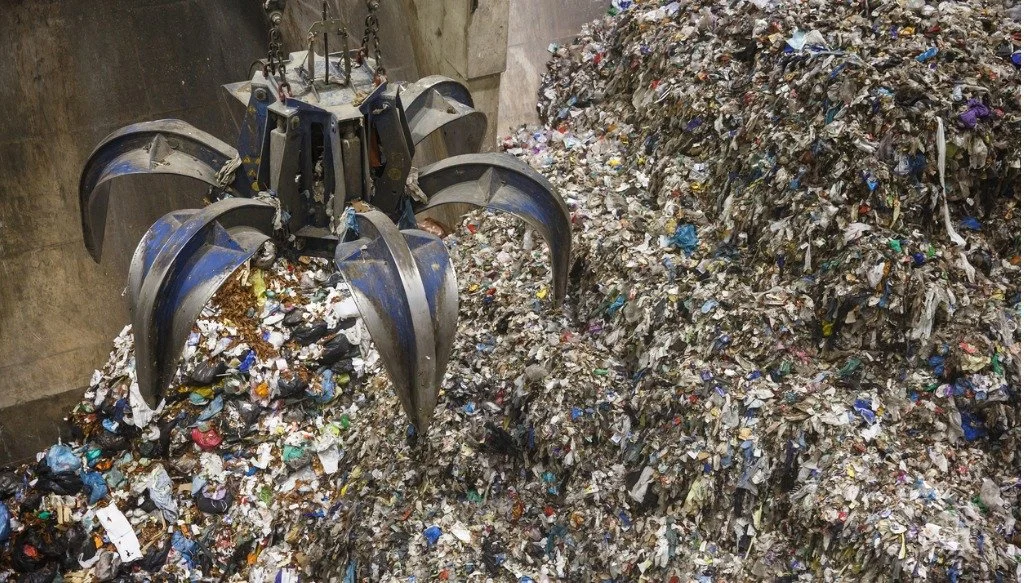
1.Digital optimisation and AI are reshaping Waste to Energy
A growing global trend is the use of artificial intelligence and advanced digital systems to optimise WtE operations. Facilities in Europe and Asia are beginning to deploy AI-driven contamination and combustion control, real-time emissions monitoring and predictive maintenance tools that analyse large volumes of operational data to stabilise temperatures, improve efficiency and minimise downtime.
Early trials have demonstrated measurable improvements. In a recent study from South Korea, an AI-assisted combustion control system increased energy output and reduced key pollutants by responding more quickly than manual operators to changes in waste composition. This type of digital optimisation is also emerging in anaerobic digestion, where machine learning is being used to predict biogas yields and guide feedstock blending decisions.
As global facilities become more complex, these digital tools are expected to play a growing role in meeting tighter environmental standards. For Australia, the international experience offers a chance to adopt advanced digital systems from the beginning rather than retrofitting them later.
2.Asia-Pacific overtakes Europe in growth
Europe has led the WtE industry since the 1970s, but Asia-Pacific is now the fastest-growing region. China has built a significant number of WtE plants over the last 20 years and continues to expand despite recent feedstock challenges arising from improved recycling and sorting systems. Singapore, Japan, and South Korea all operate networks of urban WtE plants that deliver reliable energy while achieving high recycling rates.
Australia’s slower pace has one potential advantage. By observing these established systems, it can avoid the potential pitfalls of over-building or locking in older technologies, and instead focus on high-efficiency, lower-emission designs.
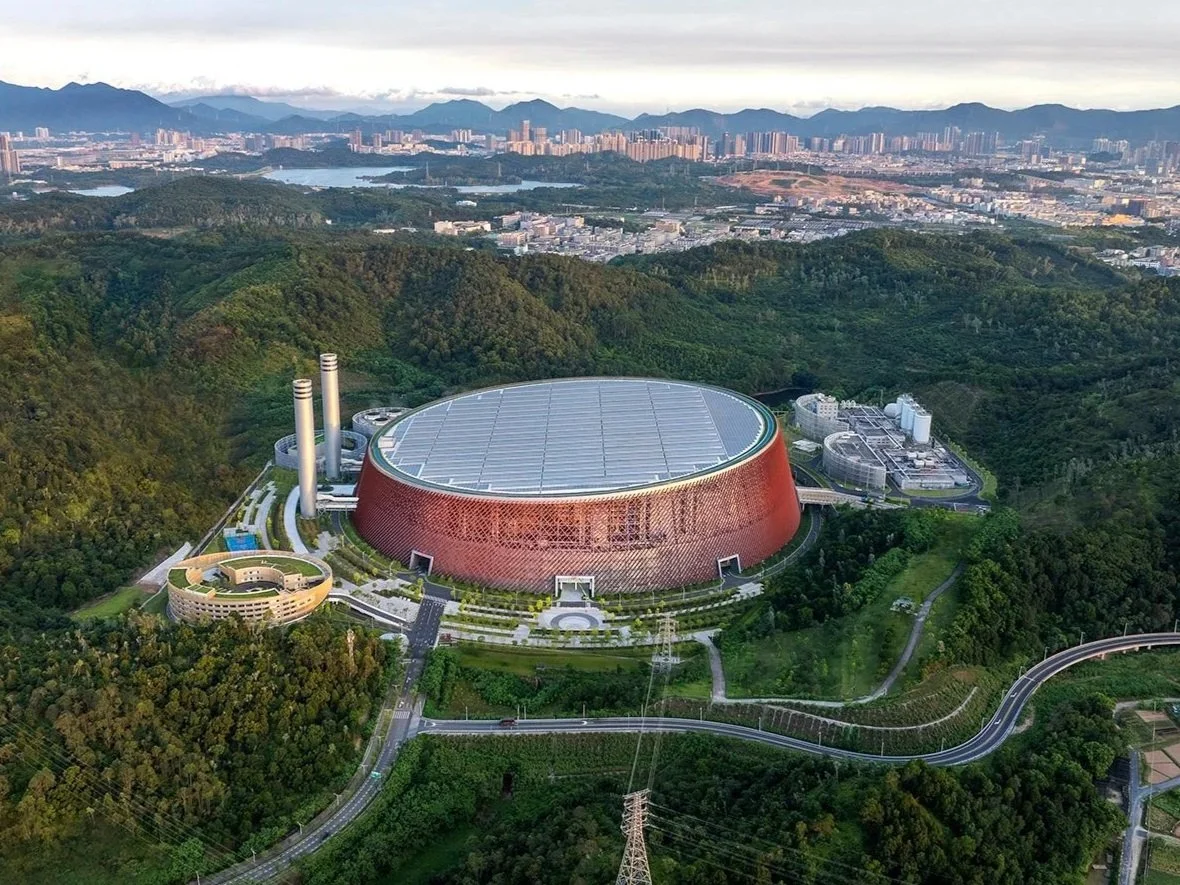
Shenzhen East WtE Plant -Produces 1.2 billion kWh of electricity annually, which is supplied to the city's grid.
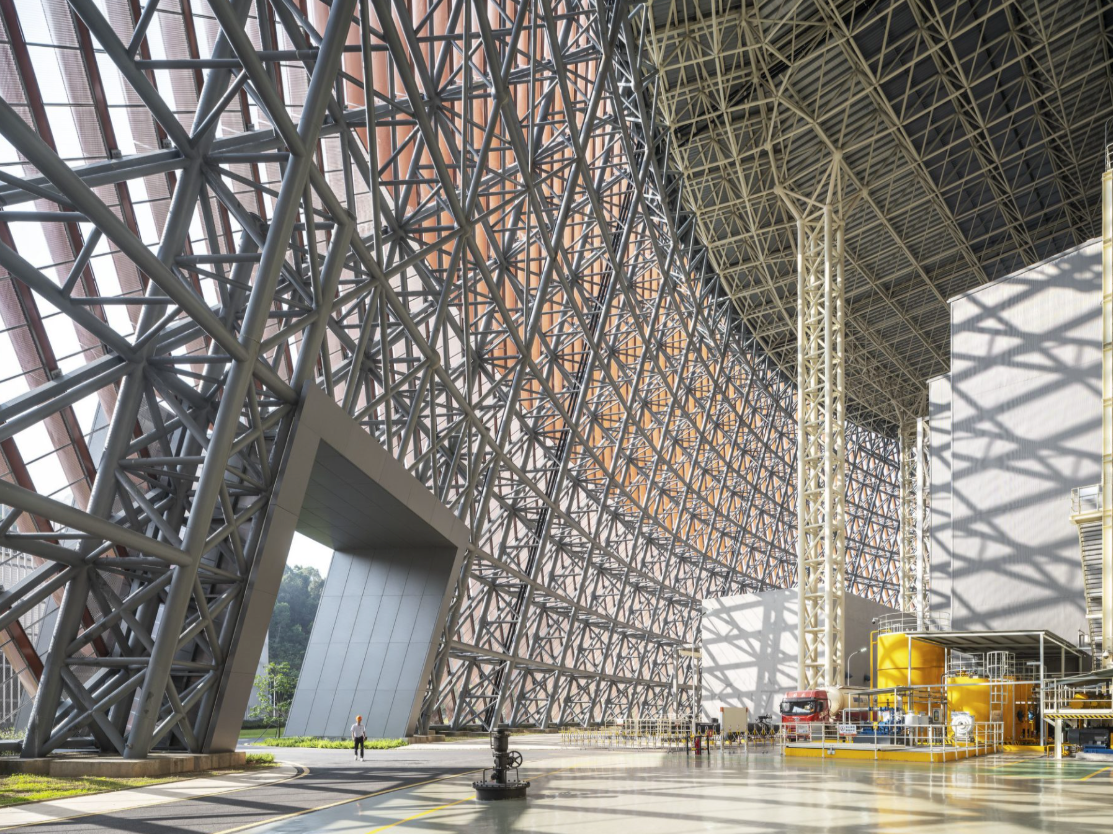
Shenzhen East WtE Plant - capable of processing 5,000 tonnes of waste daily
3.Technology evolution beyond combustion
Whilst conventional combustion continues to provide a valuable role, other technologies such as anaerobic digestion and gasification are scaling quickly, offering ways to recover energy from organics and homogenous residual wastes with lower emissions. In Norway, carbon-capture technology is being integrated into Oslo’s Klemetsrud plant to remove up to 400,000 tonnes of carbon dioxide each year.
At the same time, modular and decentralised systems are being deployed in smaller cities to reduce transport costs and tailor capacity to local waste streams. These shifts suggest the next generation of WtE will be cleaner, more distributed and more closely tied to renewable-energy networks.
4.Policy alignment and social licence as critical enablers
The European Union’s Waste Framework and Industrial Emissions directives have underpinned WtE for more than a decade. These policies enforce strict emissions standards, require transparent feedstock reporting and integrate energy recovery into broader circular-economy strategies. Public trust has grown because the rules are clear and performance is visible.
In Australia, whilst there is generally broad policy alignment on key principals such as the need for environmental protection controls and the position of WtE within the waste hierarchy, significant fragmentation remains between states and territories. This inconsistency creates uncertainty for developers and financiers as well as uneven public perception of WtE, which can still face significant opposition in Australia. Australian communities often have limited exposure to WtE technology and have concerns regarding human health and environmental outcomes. Obtaining and maintaining social license is a critical enabler to WtE success, and engagement with stakeholders needs to be informed, thorough, genuine and transparent in order to build trust and demonstrate value with communities. Clearer national direction, consistent standards and open communication will be essential if the sector is to gain social licence and investor confidence.
4.Feedstock discipline and circular-economy integrations
Experience abroad shows that WtE succeeds only when it complements, rather than competes with, recycling and material recovery. In China, over-capacity is now exposing projects to feedstock shortages. In Europe, the most successful models use WtE as the final step after recycling, ensuring only residual waste is processed.
For Australia, where recycling systems are still expanding, this lesson is crucial. If projects are developed too quickly or without strict feedstock controls, they could undermine public confidence and the Australian Circular-Economy Framework transition.
The takeaway for Australia
Globally, WtE has become a mainstream part of modern waste infrastructure. Plants in Europe and Asia have been running successfully for more than four decades, steadily reducing landfill dependency and generating energy (which may be considered renewable, depending on the waste feedstock).
Australia’s progress has been slower, shaped by cheap landfill, fragmented regulation and public caution. Yet the opportunity remains significant. By adopting newer technologies, setting clear feedstock rules and integrating WtE into circular-economy strategies, Australia can close the gap with its international peers.
The world’s WtE sector is already moving into its next phase. Whether Australia keeps pace will depend on how quickly it can turn policy ambition into operational infrastructure.