
AORA Conference 2026: Moving Beyond Conversation to Industry-Wide Delivery
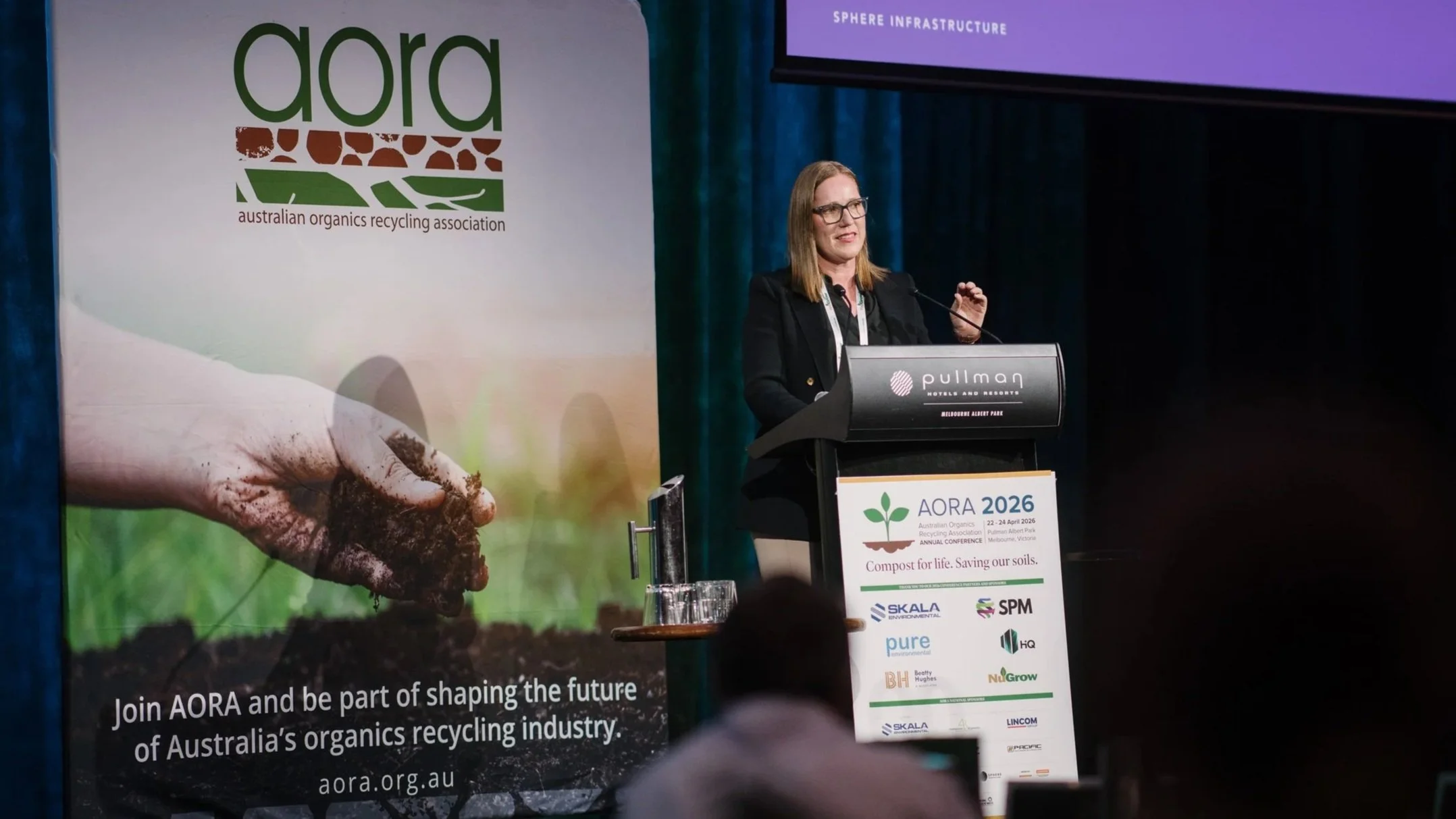
Events like the Australian Organics Recycling Association's annual conference are often designed to showcase innovation, new technologies, improved data, and case studies demonstrating incremental progress. AORA 2026 brought all of that!
Attending the conference with Selena Ferguson, the conversations that stood out, though, were not the ones about what’s working well. They were the ones about where the system continues to struggle, despite years of focus and investment.
An even more useful lens would be what is preventing the sectors’ capabilities from being consistently translated into delivery at scale.
Several themes emerged throughout the event, particularly:
1. Persistent quality and risk challenges are reshaping the sector
Contamination remains a structural issue rather than a temporary one. While there have been improvements in education and processing, contamination continues to affect output quality, increase operational costs, and constrain market confidence in recovered products.
At the same time, emerging contaminants are reshaping risk profiles across the sector. Substances such as PFAS are not only technical challenges, but also regulatory and reputational ones. Their presence is forcing a reassessment of existing processes, standards and assumptions.
2. Policy and regulation are not keeping pace with delivery realities
There is growing tension in the regulatory environment. Policy settings are becoming more complex, but not always more enabling. In some cases, they are adding friction to delivery without necessarily improving outcomes.
This creates a disconnect between intent and implementation, where the objectives of policy are not always aligned with the practical realities of developing, financing and operating infrastructure.
3. Fragmentation across siloed systems is limiting progress
The issues experienced by the organics sector are reflected across the tightly interconnected system involving waste, wastewater, energy, and transport. Yet they are still largely planned and delivered in isolation.
This fragmentation continues to limit progress, making it harder to unlock integrated solutions and realise the full value of resource recovery infrastructure.
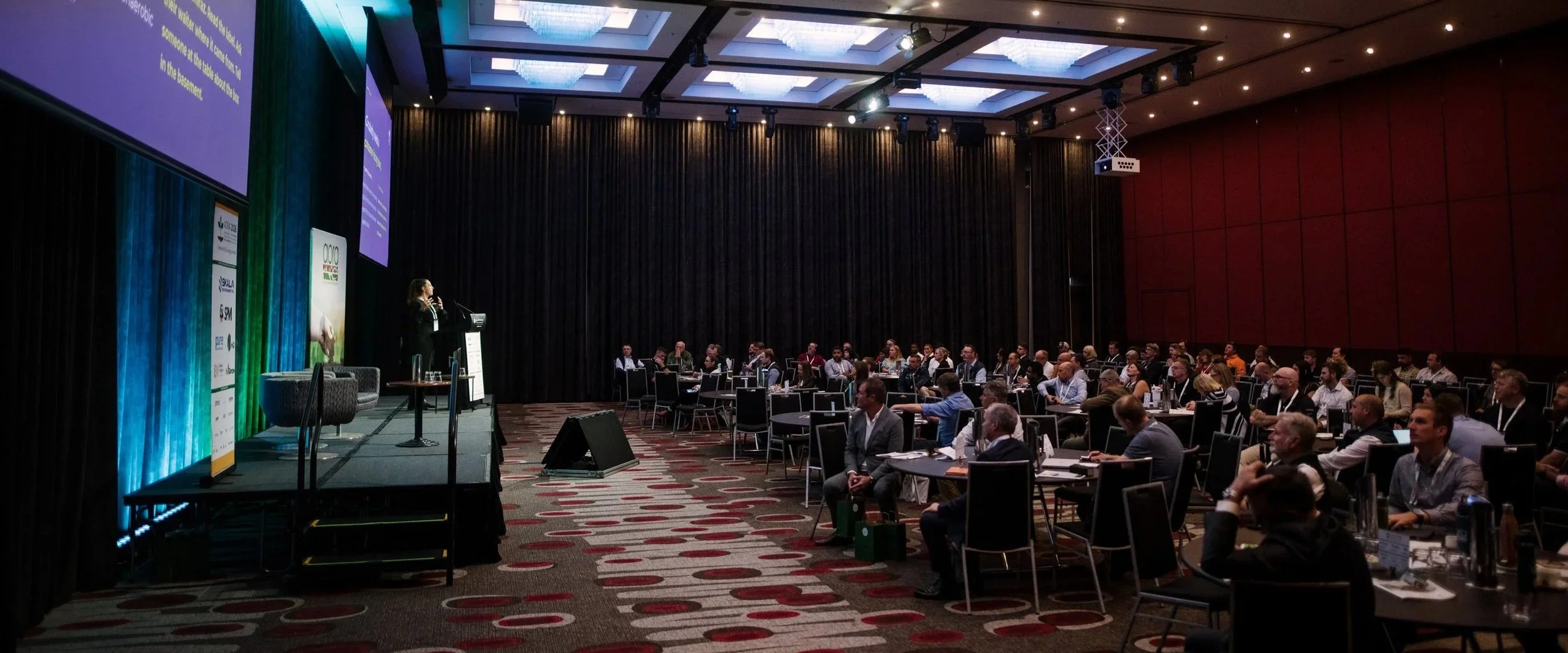
Within that context, I spoke at the conference about commercial and procurement settings, and the role they play in either enabling or constraining infrastructure delivery.
The starting point is this: the sector does not lack ideas or technical capability. The constraint lies in how projects are structured, risk is allocated, and decisions are made.
Procurement, in particular, is still treated largely as a compliance exercise. Its primary function is often to demonstrate process integrity rather than to create the conditions for strong project outcomes. That approach favours lowest upfront cost, transfers risk rather than managing it, and limits the formation of genuine delivery partnerships.
Risk allocation is a related issue. When risk is pushed down the chain without clear ownership or understanding, it does not disappear. It re-emerges as pricing uncertainty, contractual friction, and more conservative delivery approaches. Ultimately, this impacts both cost and performance.
Collaboration is frequently discussed but less consistently practised. There remains a tendency to protect information, relationships and capability, even where greater openness would support better outcomes at a system level.
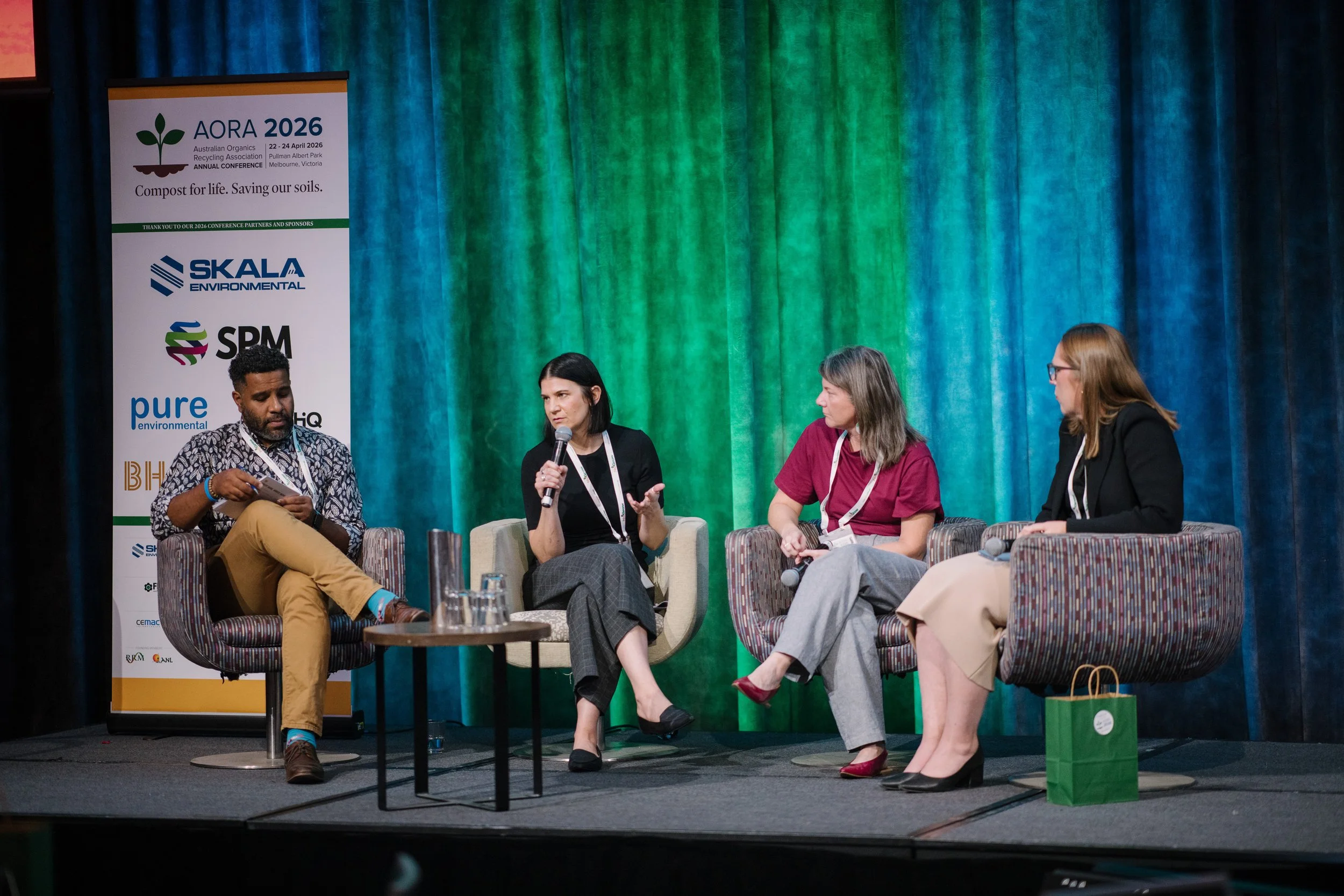
Images by Paul Benjamin Photography